
WHAT IS FREEZER PAPER GOOD FOR?

Updated: Jun 12
Freezer paper is a thick, durable paper with a layer of coating on one side. This coating helps keep moisture inside. When you wrap food, place the coated side against the food and the plain side outside. This way, you can label the package with a marker.

Freezer paper is great for storing food, especially meats like steaks, chicken or seafood, in the freezer. It's stronger than foil, which can tear easily and it wraps tightly around meat better than plastic containers, which leave some air inside. This helps prevent frost and freezer burn.
Frost : Ice crystals on the surface of frozen food. It's just water from the food freezing on the outside.
Freezer Burn : Happens when food loses too much moisture and gets dry. This can happen if the freezer temperature changes or if food isn't wrapped well. Freezer burn isn't dangerous; you can trim off the affected parts and eat the rest.

To store steak, ribs or other meats for an extended period, wrap them tightly in freezer paper, then place them in a plastic freezer bag. Some kitchen stakeholders share their experience that, when properly sealed and kept in a freezer consistently at 0°F or below, the meat can stay fresh for up to a year.
Commercial Use of Freezer Paper

Freezer paper is also used in stores at the meat or seafood counter. The coated side stops juices from leaking. It's good for wrapping cheese, letting it breathe without drying out. Freezer paper is also used in crafts like fabric printing and quilting.
Defrosting in Freezer Paper
The best way to defrost food wrapped in freezer paper is to move it to the refrigerator overnight.

Difference Between Freezer Paper and Parchment Paper

Freezer paper is designed for long-term freezer storage. It helps prevent freezer burn and keeps fresh food fresher for longer. However, freezer paper is not suitable for baking or direct heat cooking.
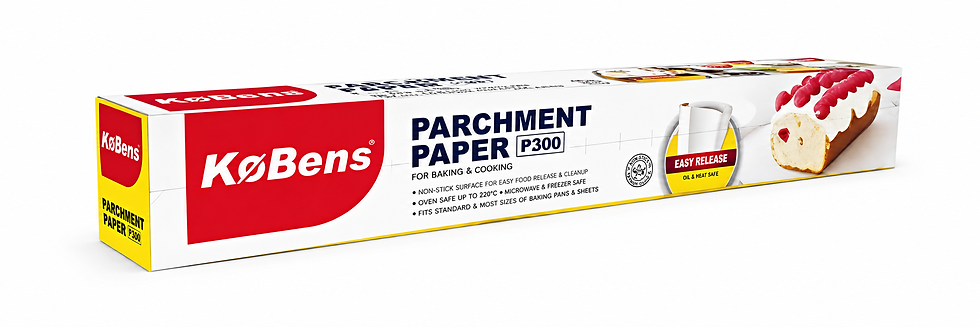
Parchment paper is made for baking at high temperatures. It has a non-stick surface, making it ideal for lining baking trays and preventing food from sticking.
Unique Features for Durian Lover! A unique feature of freezer paper is that it can be used to wrap a plastic container holding durian before storing it in the fridge. This significantly reduces the durian smell from spreading to other foods in the fridge.


KoBens FZ4510 Freezer Paper
Paper Size : 450 mm x 10 meter
Packing Size : Ctn x 24 boxes x 1 roll
Packaging Box Size : 46 x 5 x 5 cm
Carton Box Size : 47.5 x 31.5 x 21.5 cm

KoBens FZ4510 Freezer Paper
Paper Size : 450 mm x 100 meter
Packing Size : Ctn x 6 boxes x 1 roll
Packaging Box Size : 39 x 11 x 11 cm
Carton Box Size : 50.5 x 28.5 x 19.5 cm
© All copyrights reserved. *Research paper & data on files.


Comments